Men’s shirts: collars, fits & fabrics
Understand shirt types, compare collars and fabrics, and choose a fit for the way you dress.
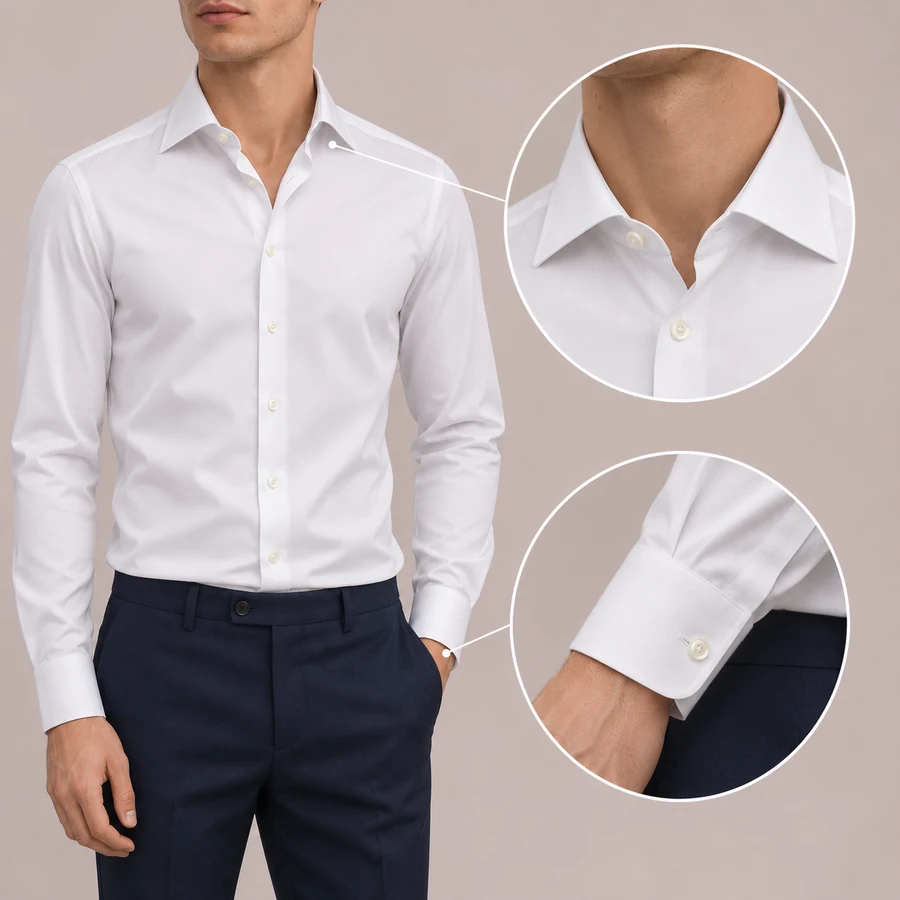
Start with the occasion, then the details
Choose around your dress code, freedom of movement and care routine. One label rarely tells the whole story: Oxford names a fabric, button-down names a collar, and slim fit describes a cut. A single shirt can have all three features.
This guide uses original AI illustrations. Collar, cuff and fabric details are informed by manufacturer visual references and descriptions; patterns are generic educational examples. They are not photographs or measurement drawings of the items for sale.
Shirt types: what do the names mean?
Dress / business
A smooth fabric and a neatly sitting collar make a useful starting point for tailoring. Check that the hem is long enough to stay tucked in. Your workplace dress code matters more than colour alone.
Oxford
A textured fabric often chosen for everyday or business-casual outfits. Oxford does not automatically mean a button-down collar: identify the fabric and collar separately.
Linen
Lighter versions suit warm-weather and relaxed dressing. Creasing is normal; opacity, weight and the composition of a blend must be checked on the individual shirt.
Flannel
A soft, often brushed surface suits layering in cooler weather. A checked pattern alone does not make fabric flannel, and flannel is not necessarily wool.
Denim / chambray
Denim has a twill structure; chambray uses a plain weave. Both can look blue and similar, so verify the cloth in the description. Usually styled for casual wear.
Camp / revere collar
An open, turned-back collar creates a V-shaped neckline. This casual style is often short-sleeved and is normally worn without a tie.
Overshirt
Designed as an additional layer. Allow room for a T-shirt or light knit underneath. Buying a larger size does not by itself turn an ordinary shirt into an overshirt.
Evening / tuxedo
Made for particular formal outfits, sometimes with a special front, cuffs or collar. Black tie does not simply mean any white shirt: start with the dress code on the invitation.
Eton: casual shirts · Charles Tyrwhitt: collar shapes · Charles Tyrwhitt: shirt weaves
Collars: shape and differences
Compare the opening, tip direction and fastening. Names and proportions vary by maker; the illustrations show shapes rather than fixed angles shared by every brand.
Point
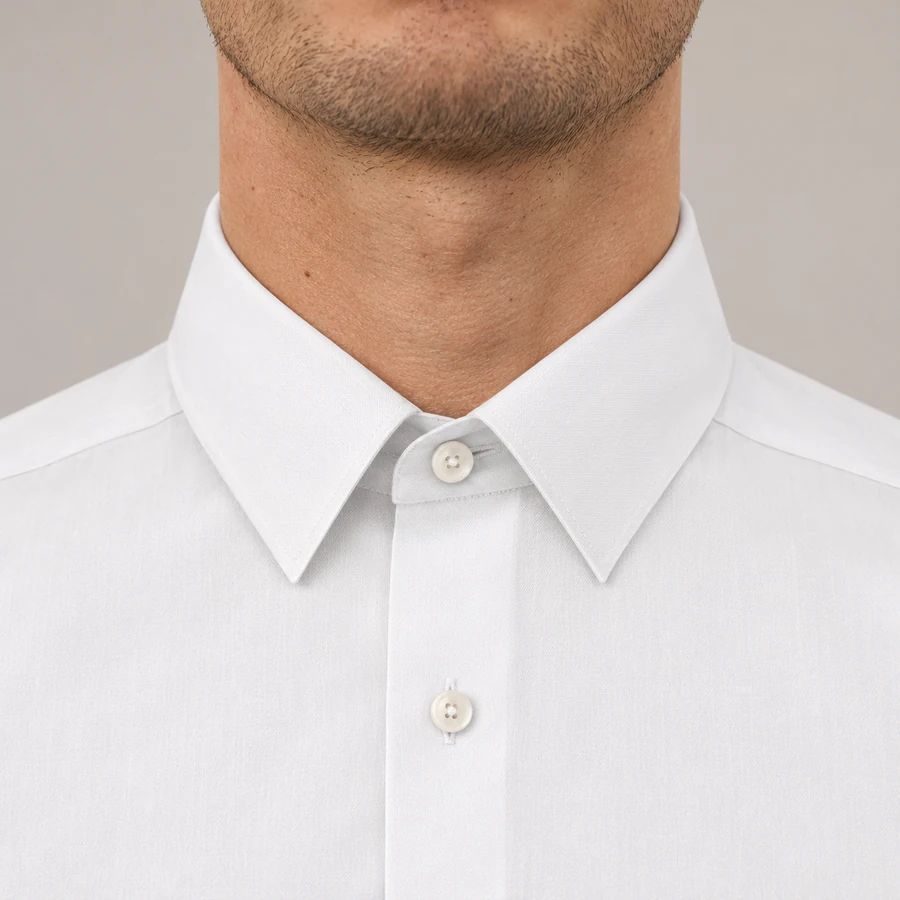
A compact opening and downward-pointing tips. Choose a proportionate tie knot or wear without a tie.
Spread
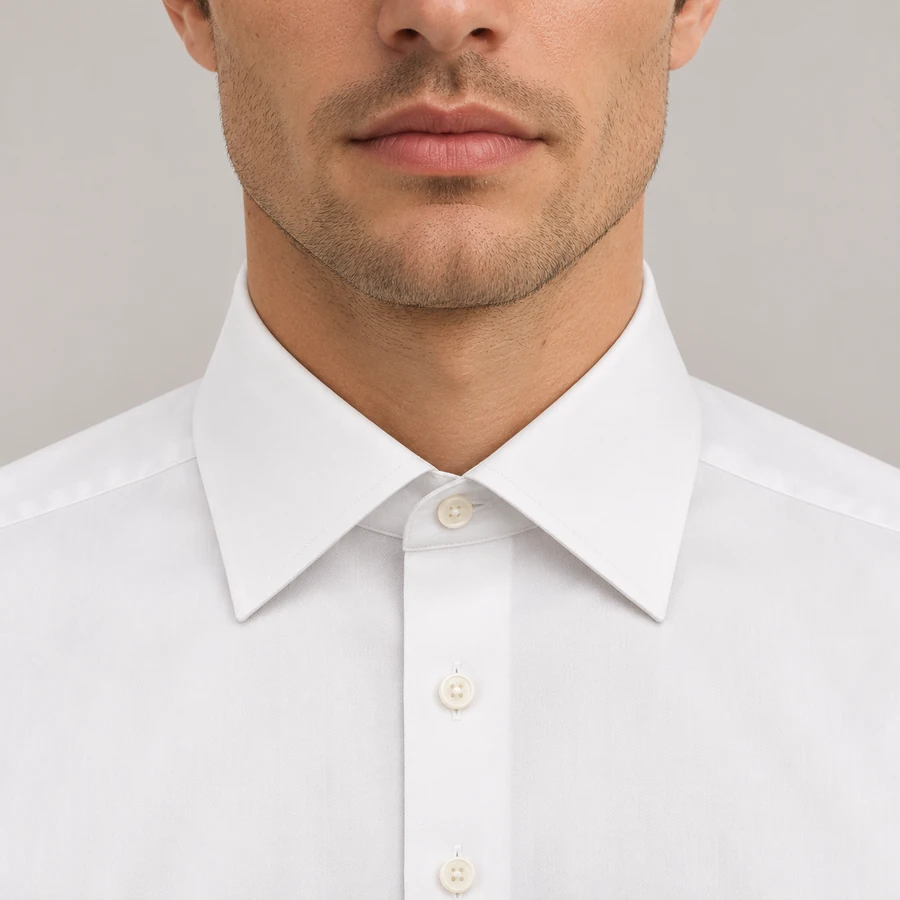
Tips angle down and outward, with more opening than the point example. A versatile starting point with or without a tie.

Cutaway
Tips sweep further outward, leaving more open space around the knot. Makers’ spread and cutaway names can overlap.
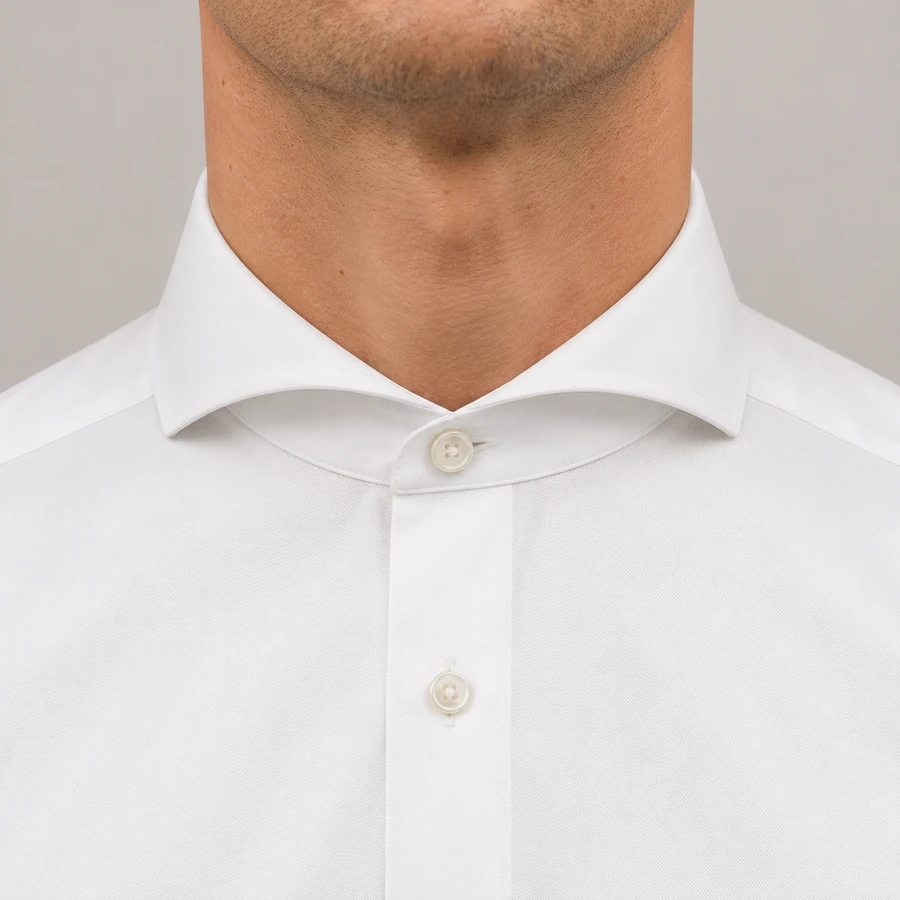
Extreme cutaway
The tips sweep further back toward the sides while the collar retains a natural roll around the neck.

Button-down
Visible small buttons attach both collar tips to the shirt. Often used for casual and business-casual dressing, including some tie outfits.
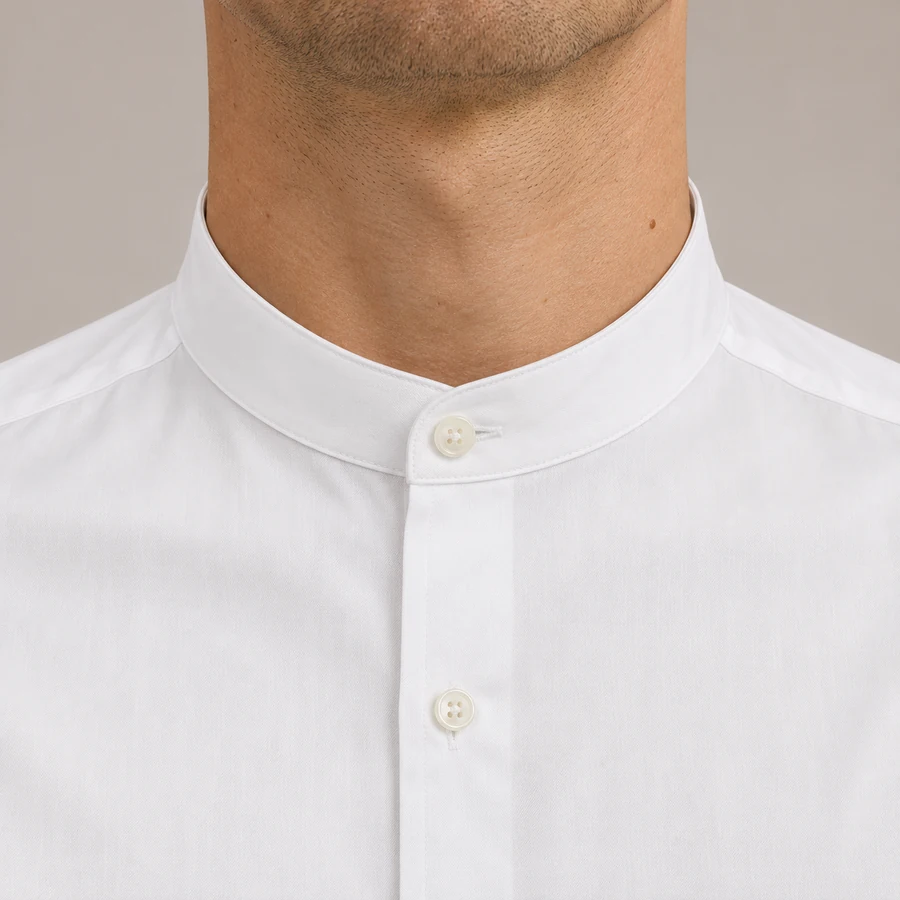
Band / grandad
A neck band without turned-down leaves. For casual and business-casual outfits without a conventional tie.

Camp / revere
A turned-back collar with an open V neckline. Often chosen for summer and casual wear without a tie.

Wing
An upright band with two small folded wings. For evening dress and a bow tie according to the specific dress code.

Button-under
Buttons secure the tips underneath and remain invisible from the front. The image shows the collar shape; inspect underneath to confirm the actual fastening.

Tab
A small fabric tab joins the collar sides beneath the tie knot and lifts it. The example leaves the fastening visible without a tie.

Pin
A pin or bar joins the collar sides and can support a tie knot. This example leaves the bar visible without a tie.
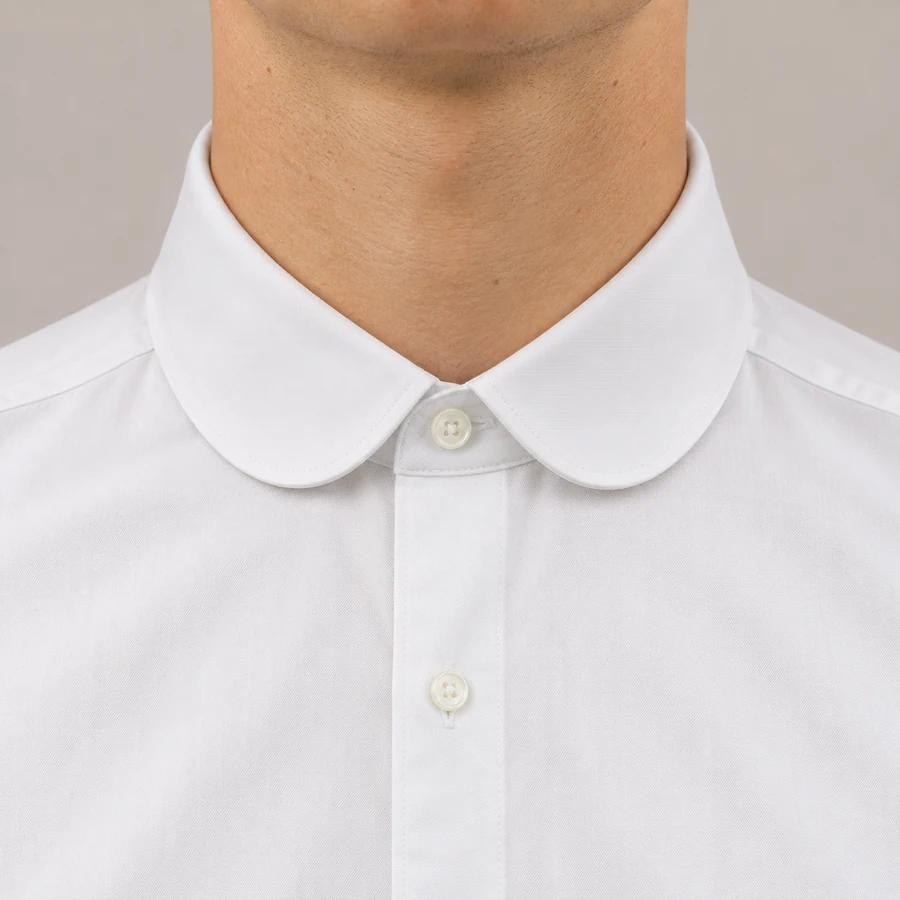
Club
Clearly rounded ends on both collar leaves. Can work with tailoring or smart-casual outfits.
Button-up describes the buttoned front; button-down describes the fastened collar tips. Use actual product photographs when buying.
Eton: collar types · Eton: collars and cuffs · Charles Tyrwhitt: shirt collars · Charles Tyrwhitt: collar shapes · Eton: tab collar · Eton: Seersucker Resort shirt
Fits: the name is not a size
Extra slim / super slim
The least room among these broad categories. Compare chest, waist and sleeves, not just the neck label.
Slim
A more shaped waist. A slim shirt should still allow movement without pulling across the buttons.
Regular
More room through the body, sometimes with slight waist shaping. This is not a shared measurement standard across brands.
Relaxed
An easier silhouette. Check shoulders, sleeve length and body length so the extra volume is intentional.
A shared Slim or Regular label across brands does not guarantee matching measurements. Used shirts may have shrunk or been altered. Compare the actual garment measurements.
Shirt sizes: what do 16, 41 and 34–35 mean?
16″ usually denotes a neck size in inches; 41 denotes centimetres. Mathematically, 16″ = 40.64 cm. Makers often pair it with label size 41, but label pairings and collar ease vary. It is not a chest measurement or a promise that every finished collar will measure exactly 41 cm.
Neck label in inches | Exact conversion | Charles Tyrwhitt chart label |
|---|---|---|
14½″ | 36.83 cm | 37 |
15″ | 38.10 cm | 38 |
15½″ | 39.37 cm | 39 |
16″ | 40.64 cm | 41 |
16½″ | 41.91 cm | 42 |
17″ | 43.18 cm | 43 |
17½″ | 44.45 cm | 44 |
The last column is one maker’s chart example, not a universal size standard. S, M, L and XL likewise have no single neck or chest equivalent across brands.
16 / 34–35
A common US label: the first number is the neck size; the others refer to sleeve length in inches. 34–35″ is about 86–89 cm. Check the maker’s measuring start point and meaning of the range.
41 / Slim Fit
41 identifies the neck size category; Slim Fit describes body cut. Regular and Slim shirts with the same neck label can differ at the chest, waist and sleeves.
How do I measure my neck?
Measure around the base of the neck where the collar sits, following the maker’s instructions. A shirt collar is commonly measured open, from the button centre to the buttonhole centre.
How do I compare sleeves?
Some makers measure from the centre back of the neck across the shoulder; others start at the shoulder seam. Do not compare those numbers directly. Use the same measuring method for a used shirt.
Charles Tyrwhitt: neck and sleeve sizing · Turnbull & Asser: shirt sizing
Fabrics: what they look like and when to choose them
A cloth name can refer to weave, surface finishing or fibre. Each example explains what to look for and when to choose it. Always check the individual garment’s composition, weight and care label.
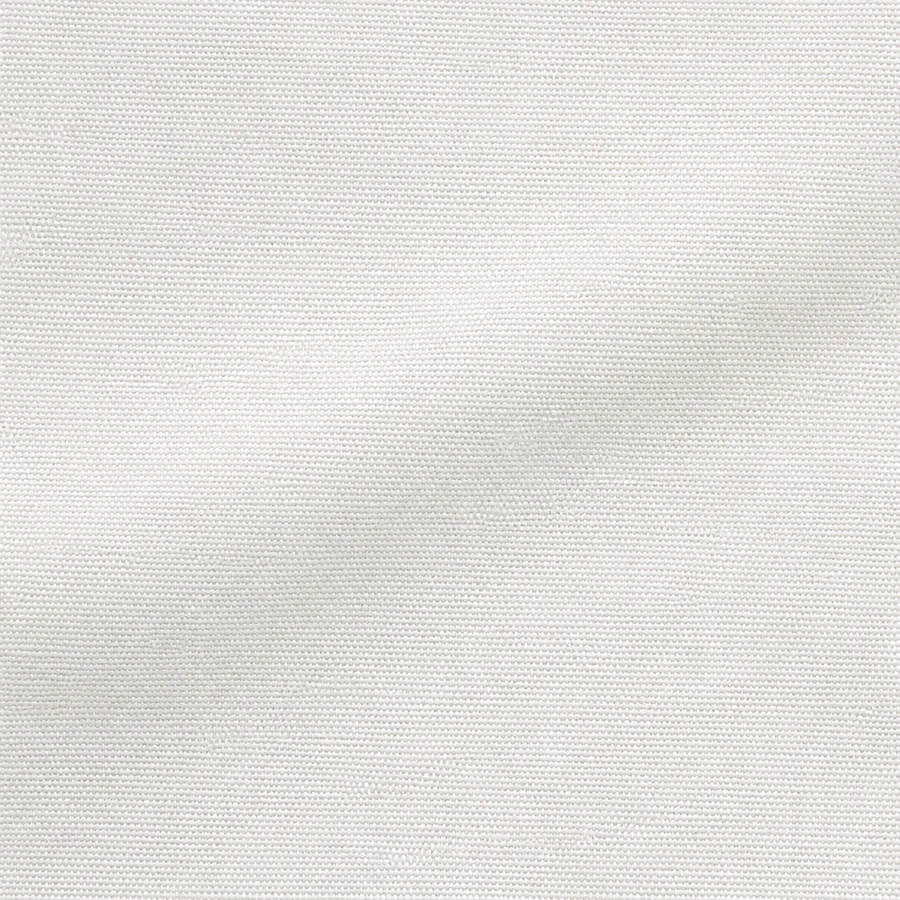
Poplin
Smooth plain weave
When to choose: Business outfits; thin white versions can be translucent.
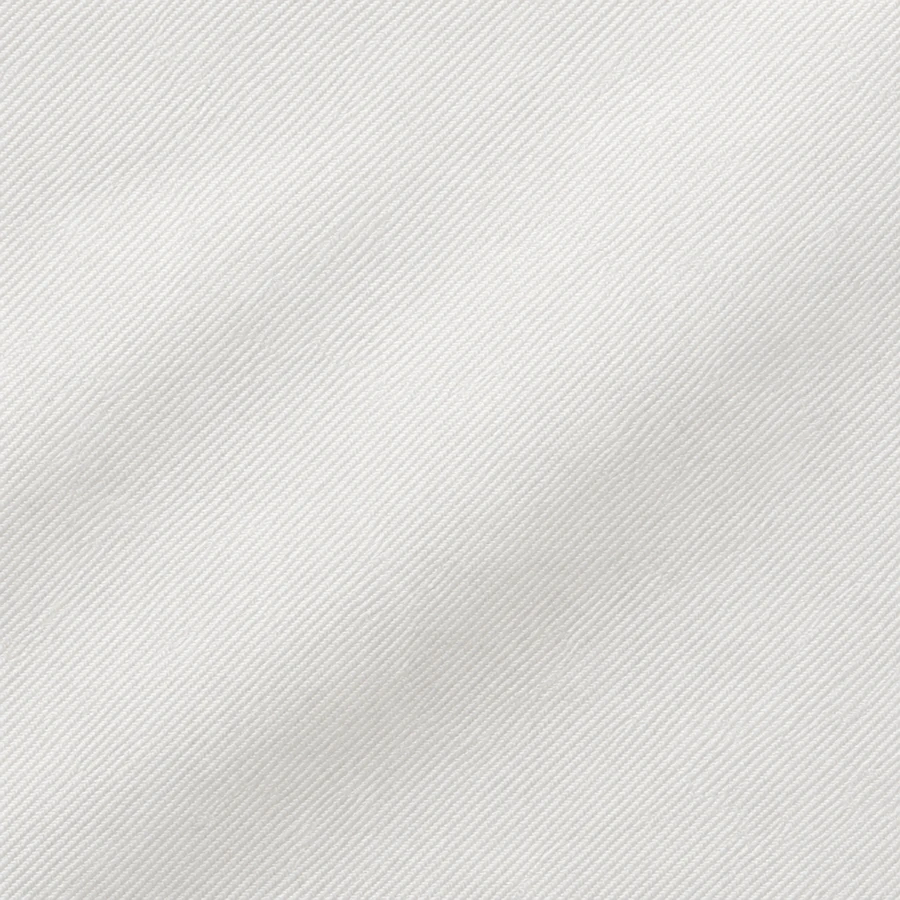
Twill
Visible diagonal lines
When to choose: Business and smart-casual outfits; weight and finishing depend on the specific cloth.
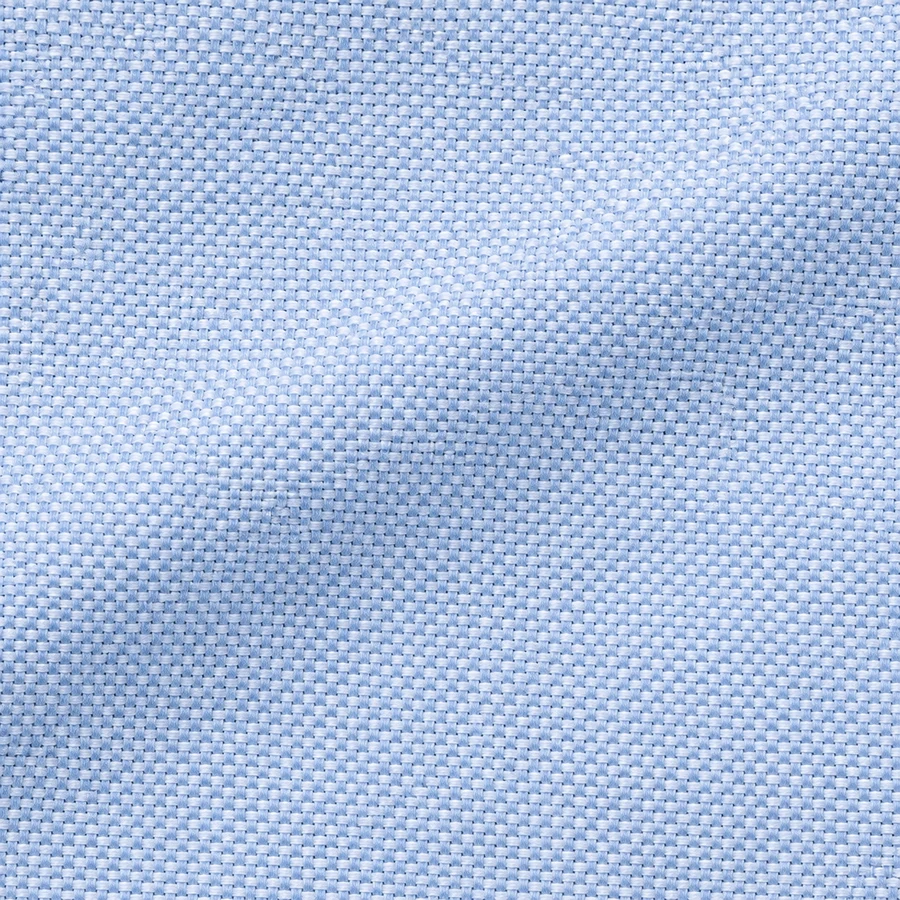
Oxford
Textured basket weave
When to choose: Everyday and business-casual use; not a collar type.
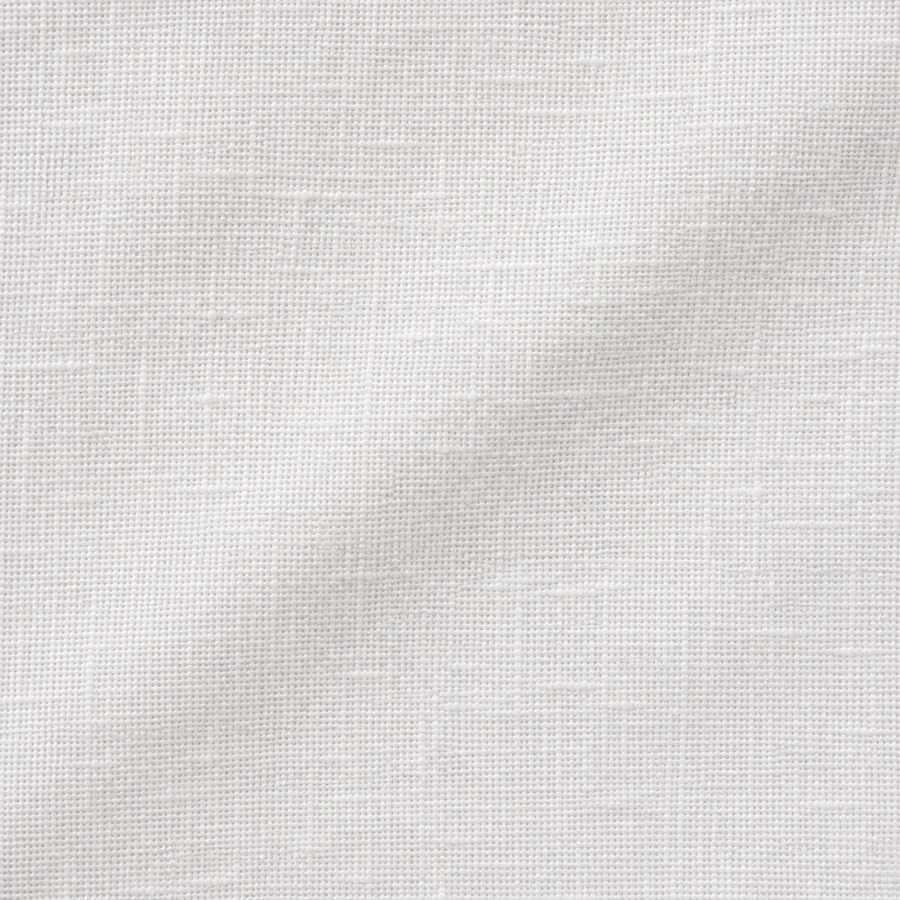
Plain-weave linen
Naturally irregular yarns with a visible plain-weave surface. Linen is a fibre and can also use other weaves.
When to choose: Warm weather and relaxed outfits when natural creasing suits the look.

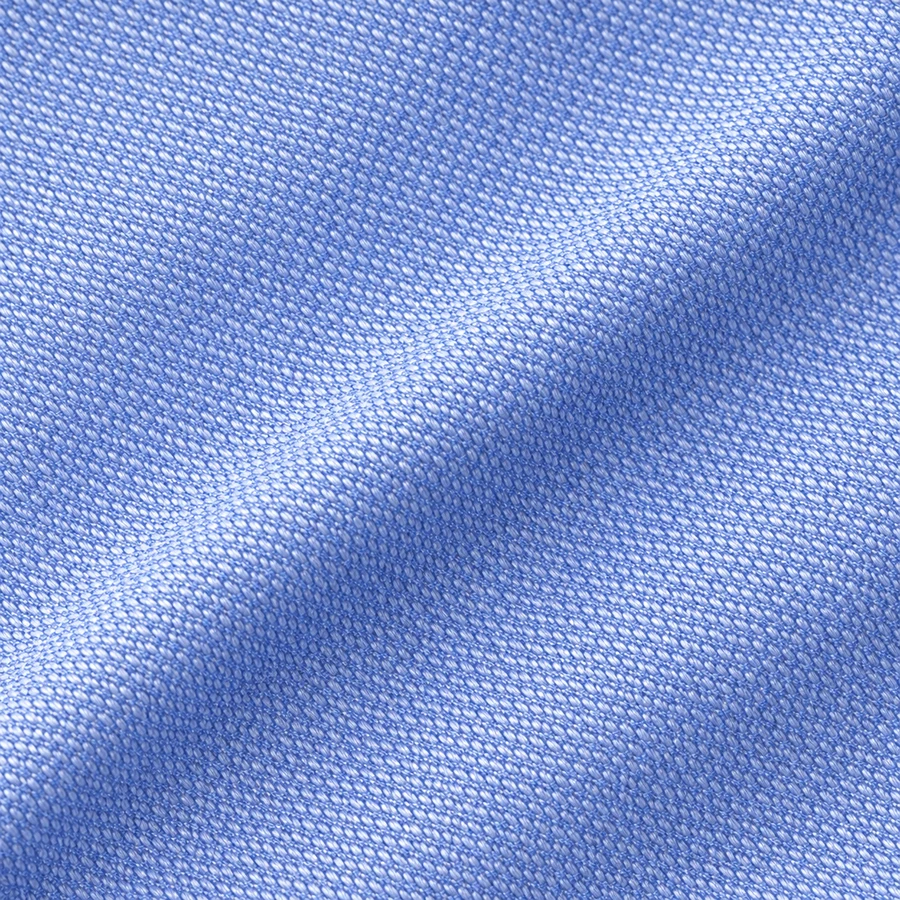
Pinpoint Oxford
A finer Oxford structure
When to choose: A neater everyday or office option than a coarse Oxford.
Royal Oxford
More elaborate texture, sometimes lustrous
When to choose: Dressier outfits; not identical to ordinary Oxford.
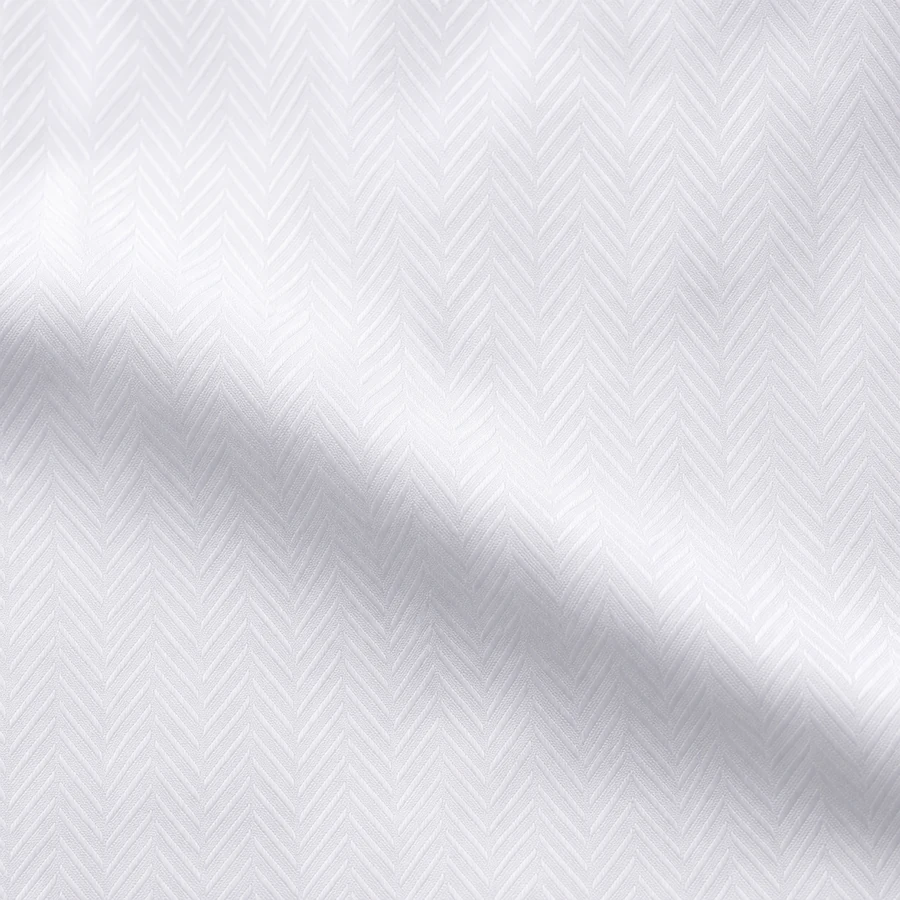
Herringbone
Diagonals that reverse direction
When to choose: For subtle pattern without a printed design.

Dobby
Small woven geometric motifs
When to choose: From understated business shirts to more textured casual cloth.
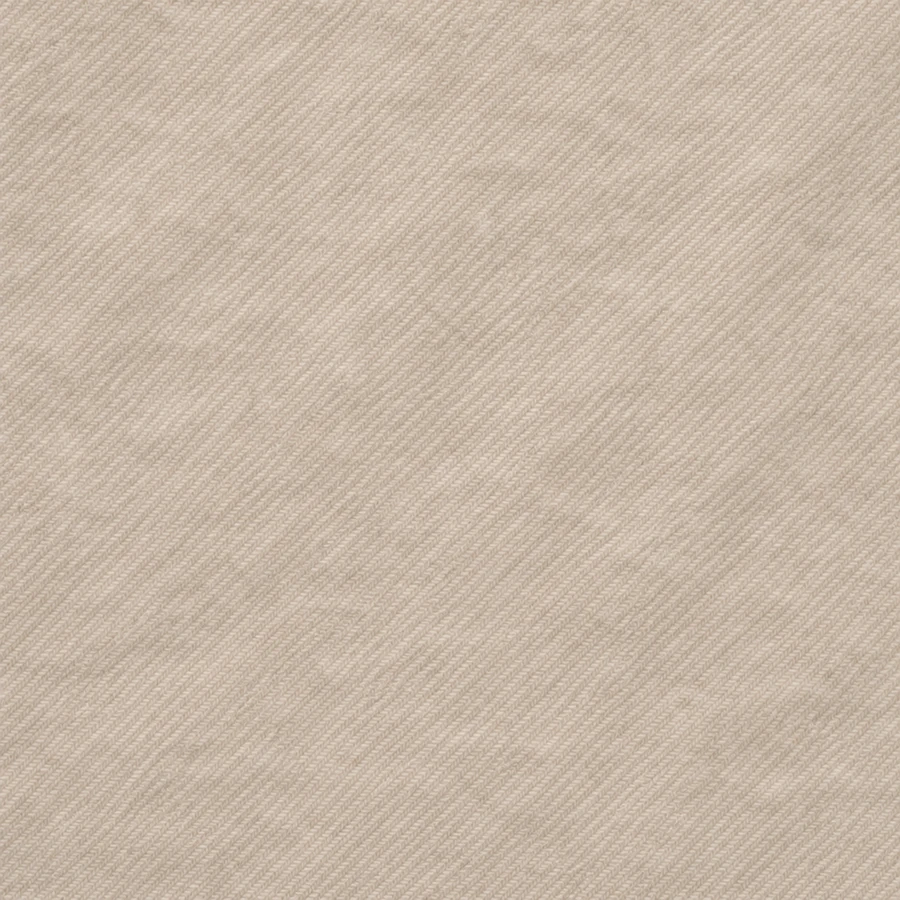
Flannel
Soft, often brushed surface
When to choose: Cooler-weather layering; check the fibre label.
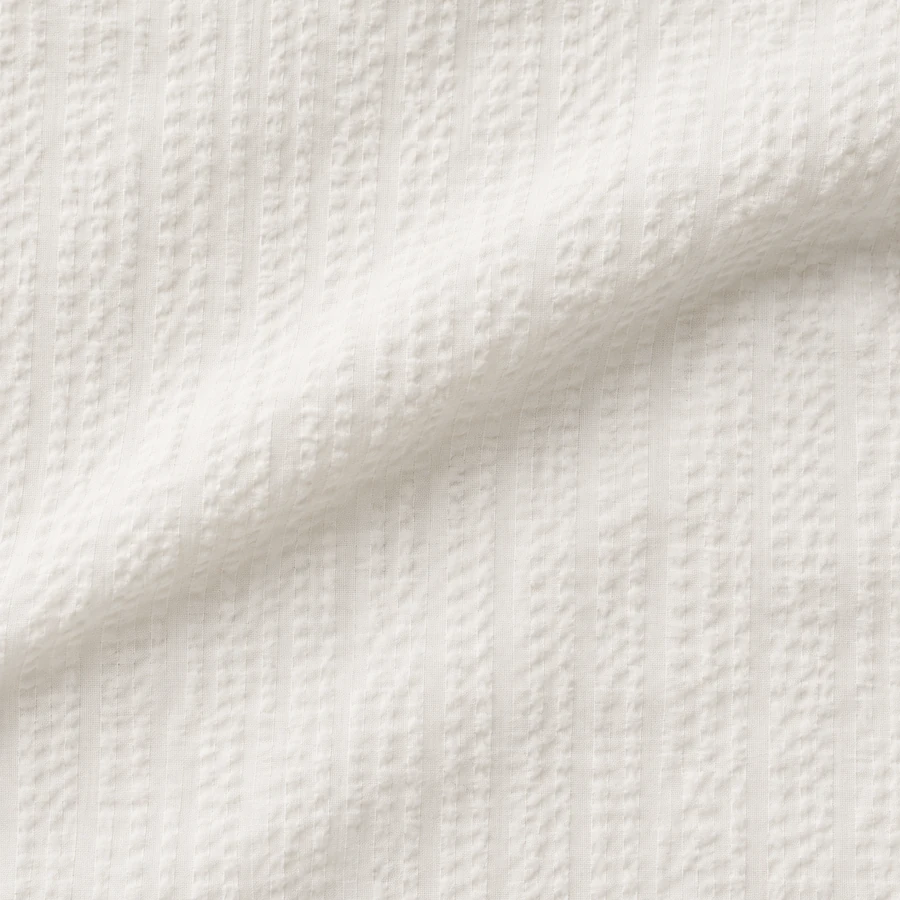
Seersucker
A puckered surface
When to choose: Relaxed warm-weather dressing.

Jersey
Knitted loop construction
When to choose: A softer, relaxed look; not a woven poplin.
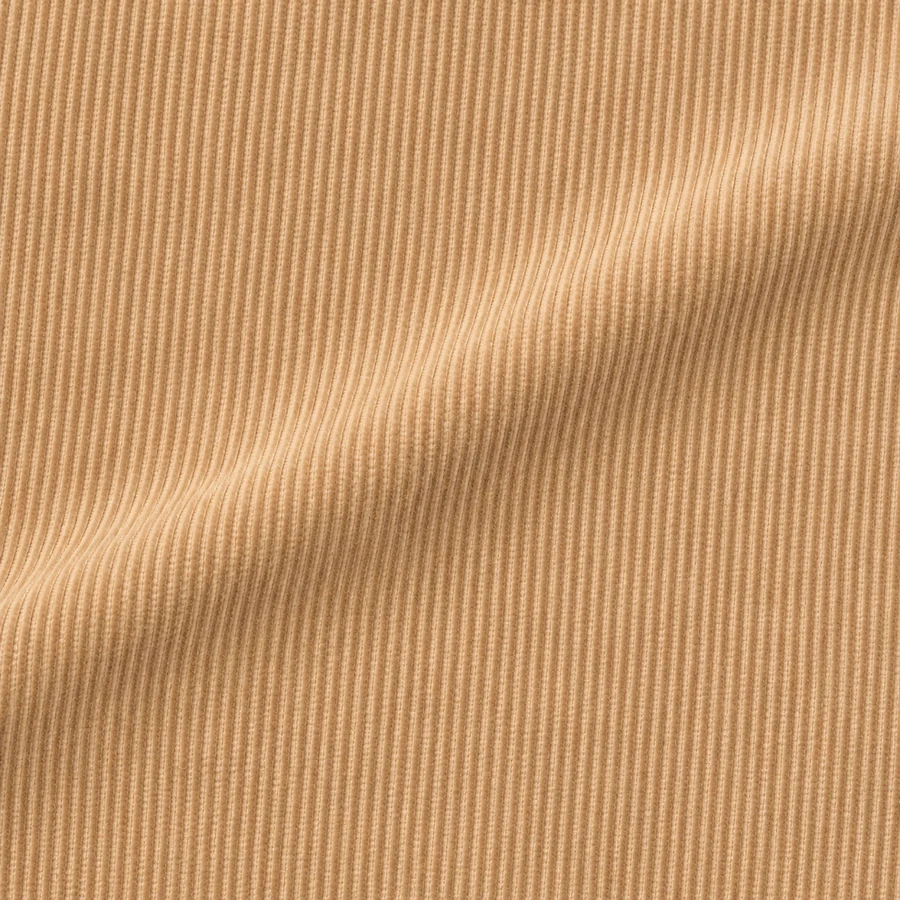
Corduroy
Raised lengthwise pile ribs, called wales; rib width and cloth weight vary. Distinct from smooth velvet.
When to choose: Cooler weather and casual outfits; lighter fine-wale versions can also work for smart-casual dressing.
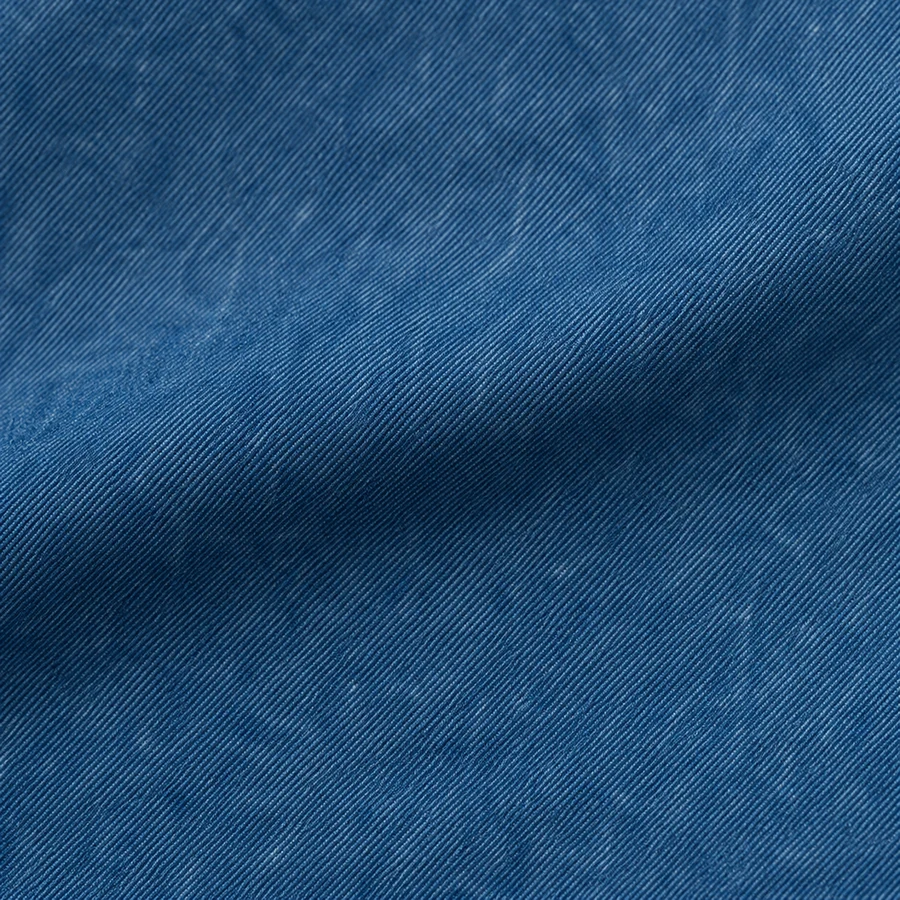
Denim
A twill fabric with diagonal lines; blue denim often combines dyed warp yarns with lighter weft. Different from plain-weave chambray.
When to choose: Everyday outfits and layering. Lighter shirting denim is less rigid than many jeans fabrics; colour and finishing also affect formality.
The AI close-ups illustrate overall surface appearance; they are not microscopic weave diagrams or evidence of a product’s fibre content.
Eton: fabric types · Charles Tyrwhitt: shirt weaves · Charles Tyrwhitt: weave types · Charles Tyrwhitt: herringbone weave · Eton: Seersucker Resort shirt · Eton: Corduroy fabric · Eton: Denim fabric
Shirt patterns: check, plaid, paisley and stripes
Check is an umbrella term for grid-based patterns. Gingham check, windowpane and many plaids fall within it. A pattern may use dyed yarns or printing; an image alone cannot establish how it was made.
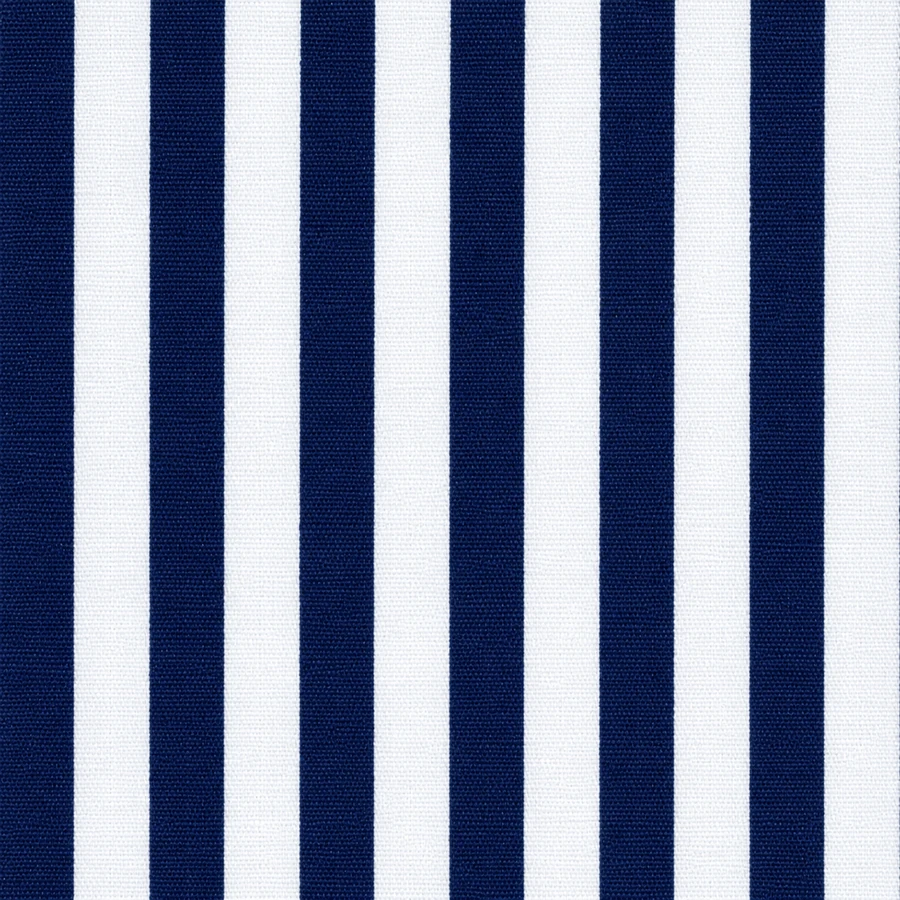
Striped
Parallel lines. Fine stripes often suit office outfits; wider stripes also work casually. Stripes do not identify the weave.
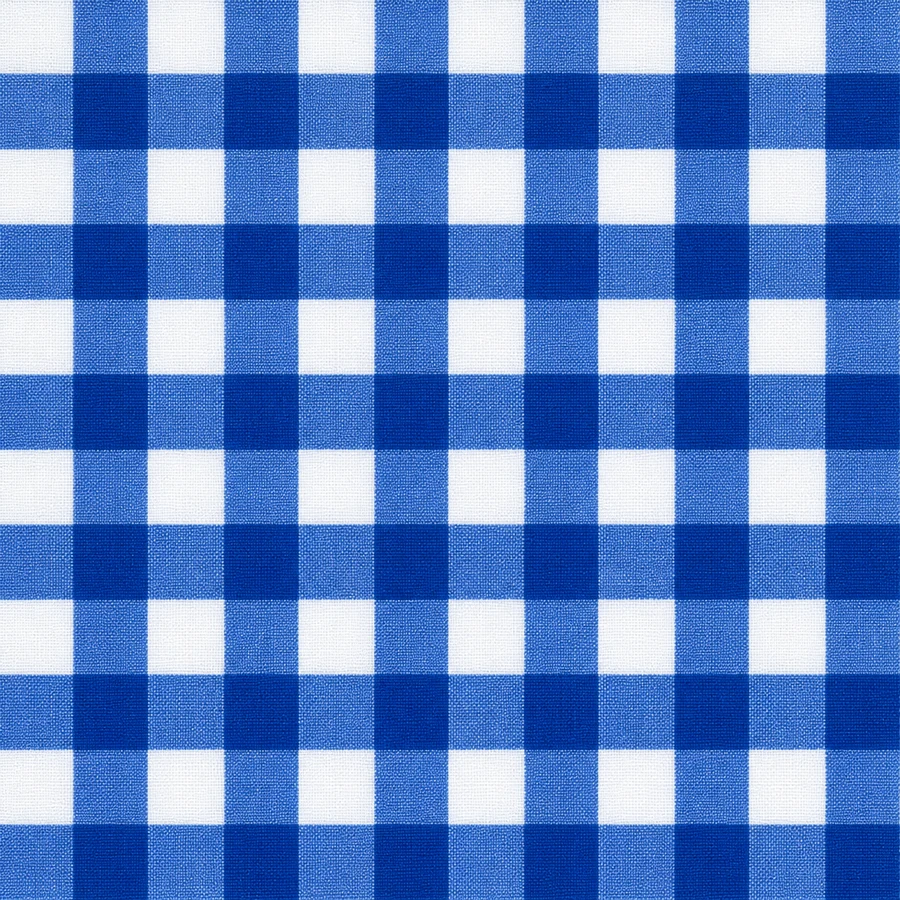
Gingham check
Equal-width coloured and white bands cross into regular checks, darker at the intersections. One type of check.

Windowpane
Thin lines form large open squares. Unlike gingham, most of each square remains a solid ground.
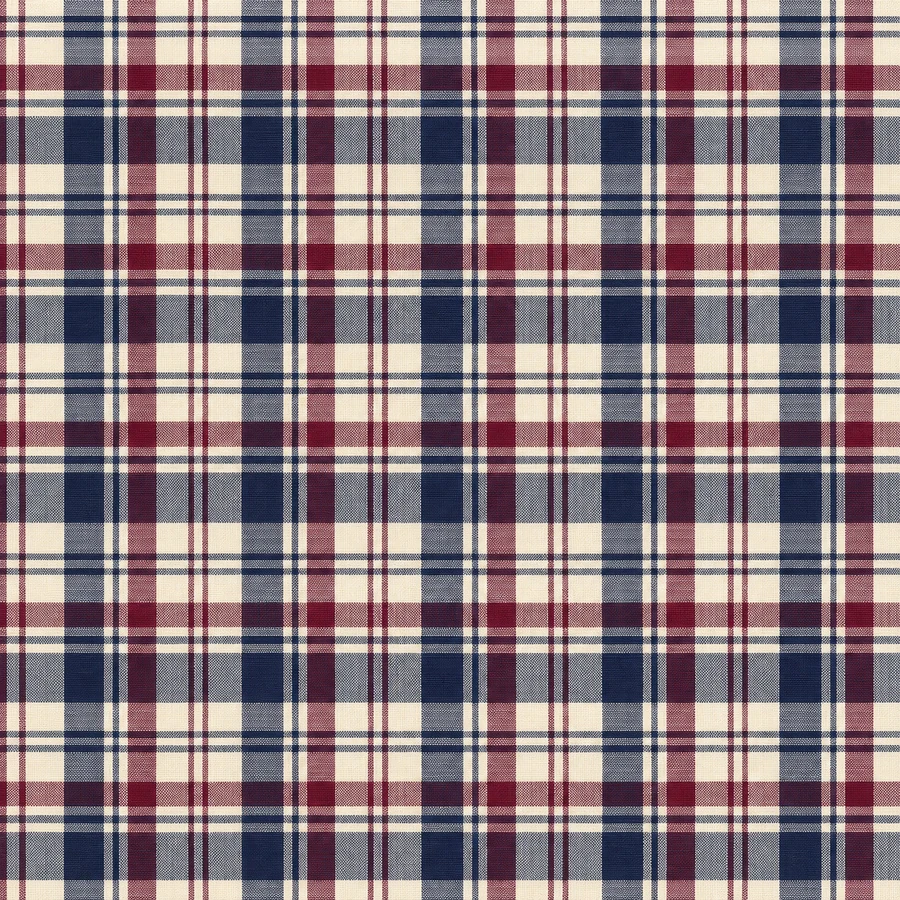
Tartan plaid
Crossing bands of different widths, often in several colours. Plaid is used broadly; not every check is a particular historic tartan.
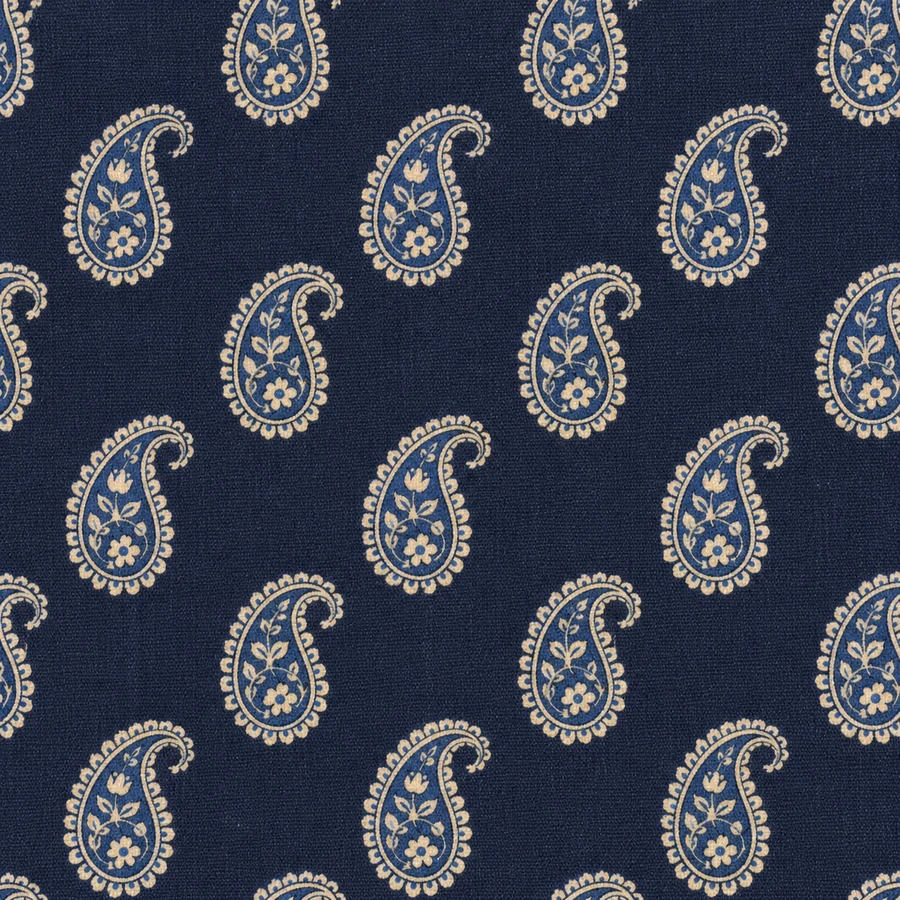
Paisley
Curved teardrop motifs with curled tips. Often chosen for expressive casual or occasion outfits.
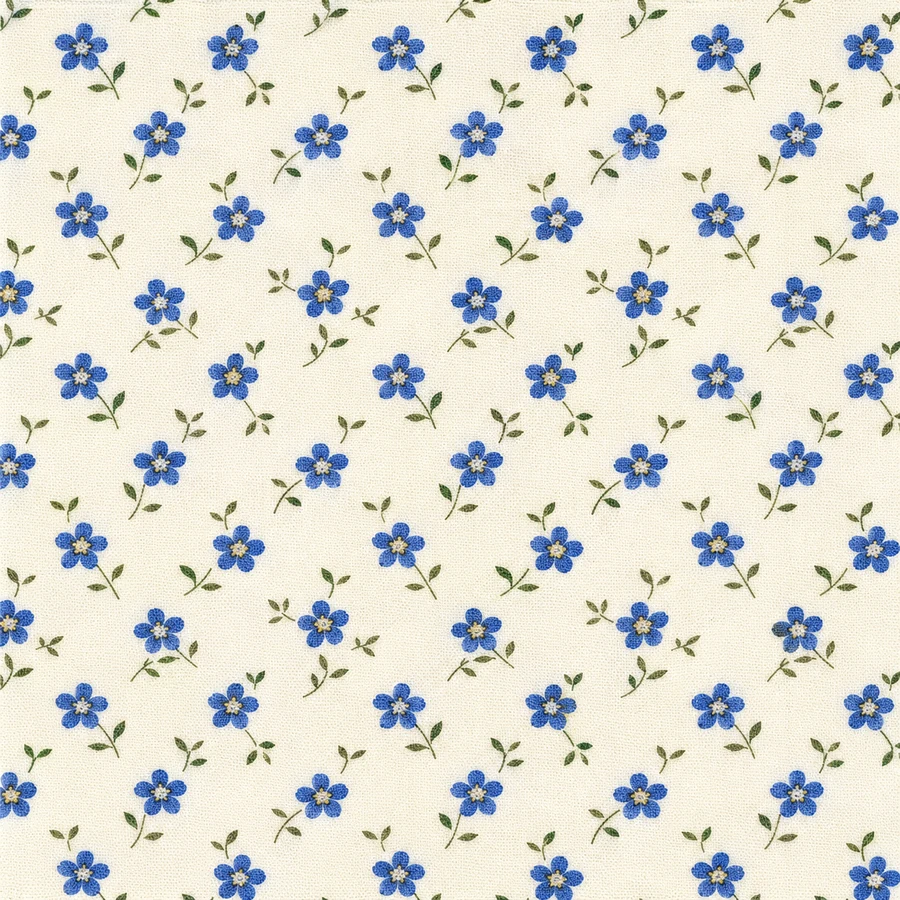
Floral
Recognisable flowers or botanical motifs. Small and large prints read differently; colour and overall shirt design also affect formality.
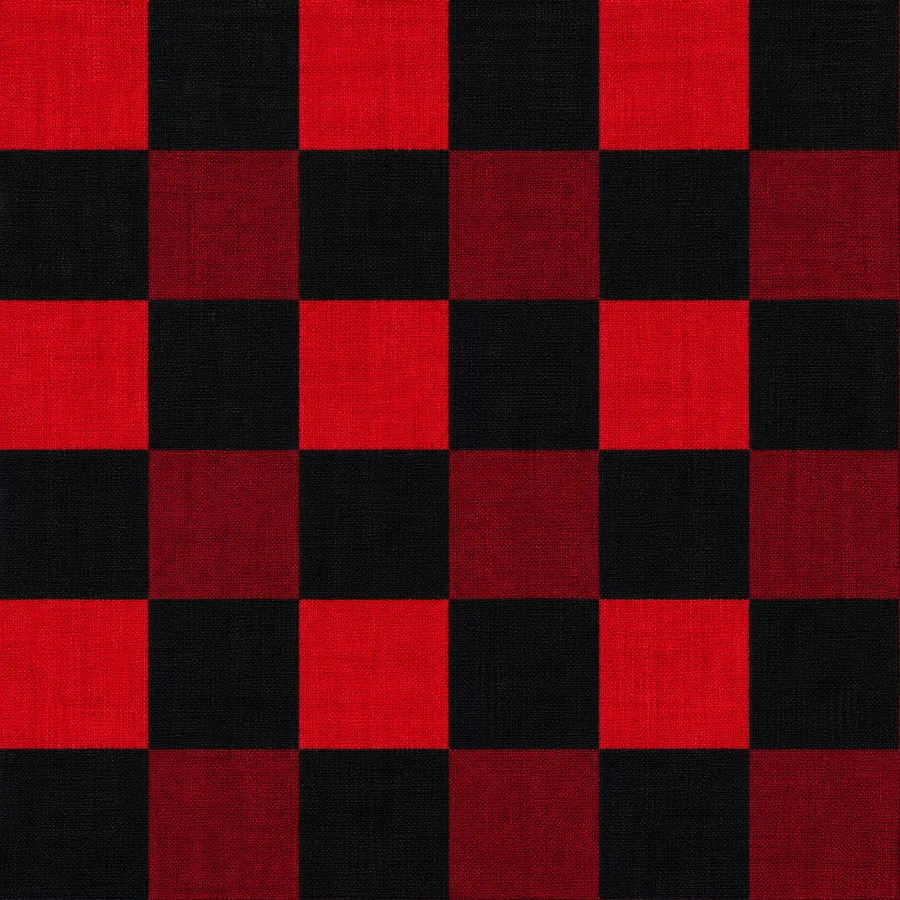
Buffalo check
Large equal-sized checks, often red and black. Unlike multi-width tartan bands; commonly used for casual outfits.
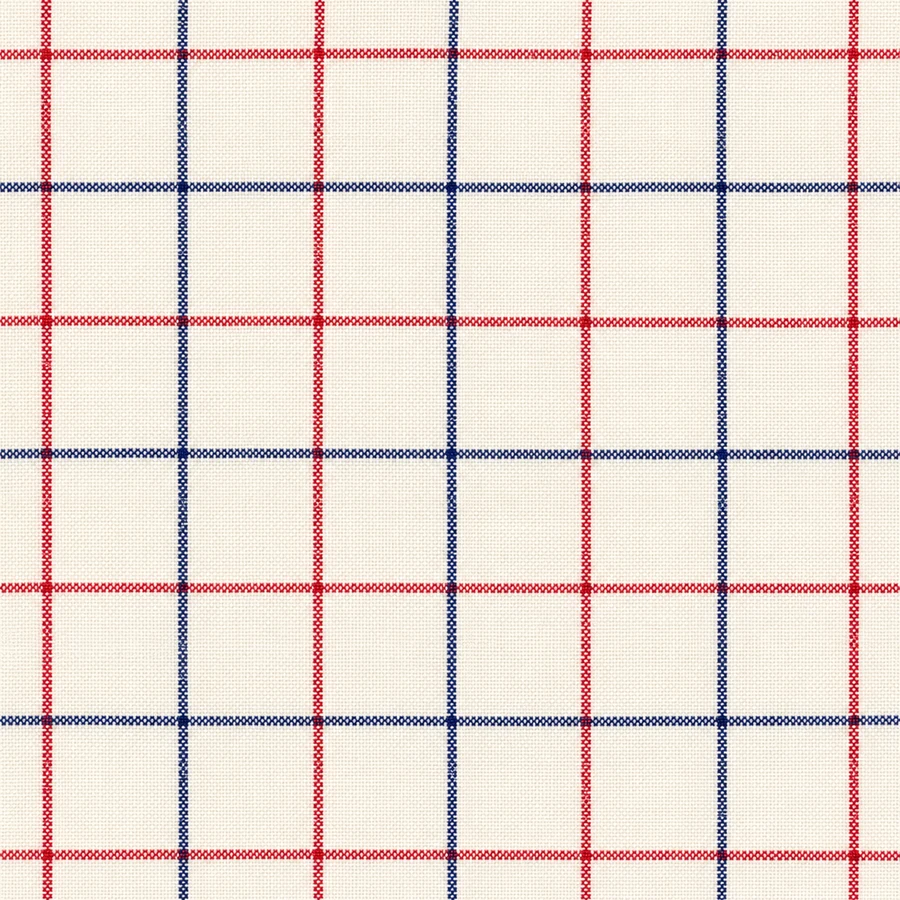
Tattersall
Fine lines in two or more colours form a repeating grid on a light ground. An understated everyday or business-casual option.

Houndstooth / vištos pėdelės
Broken two-colour checks with hooked points. Not a herringbone zigzag; smaller repeats can read more quietly.

Polka dot
Repeated circular dots. Small dots are subtler; larger high-contrast dots make a stronger statement.
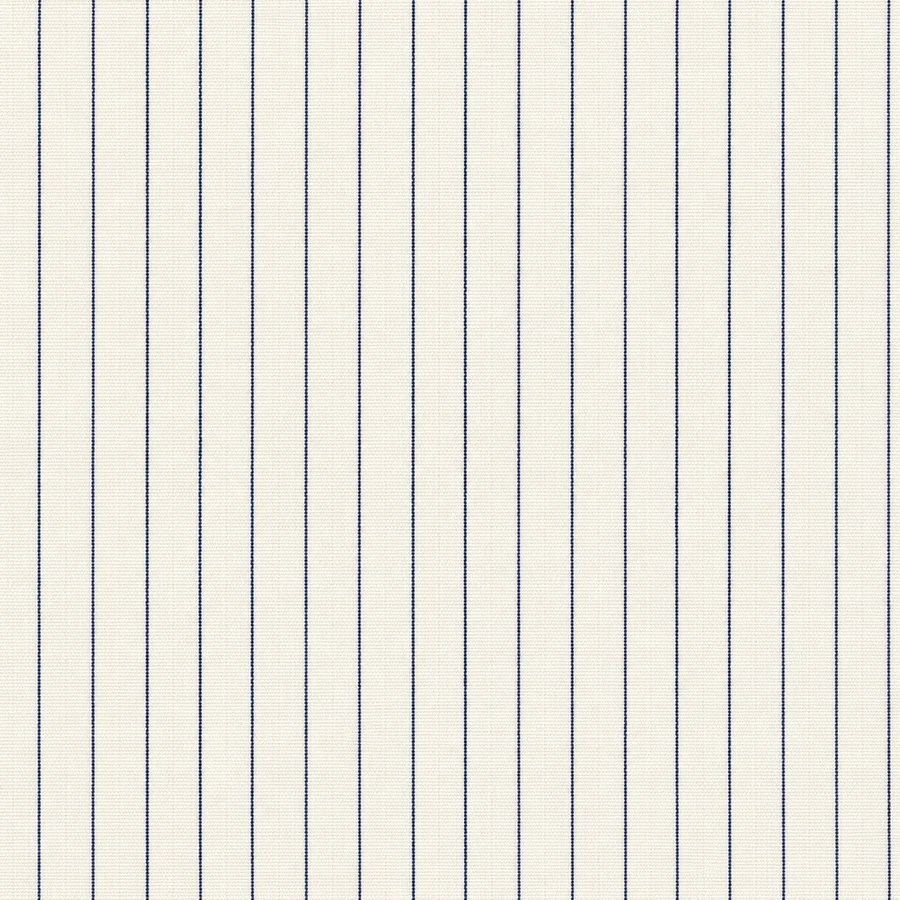
Pinstripe
Very thin parallel lines separated by much wider gaps. Distinguished from equal-width stripes by the line-to-ground ratio.
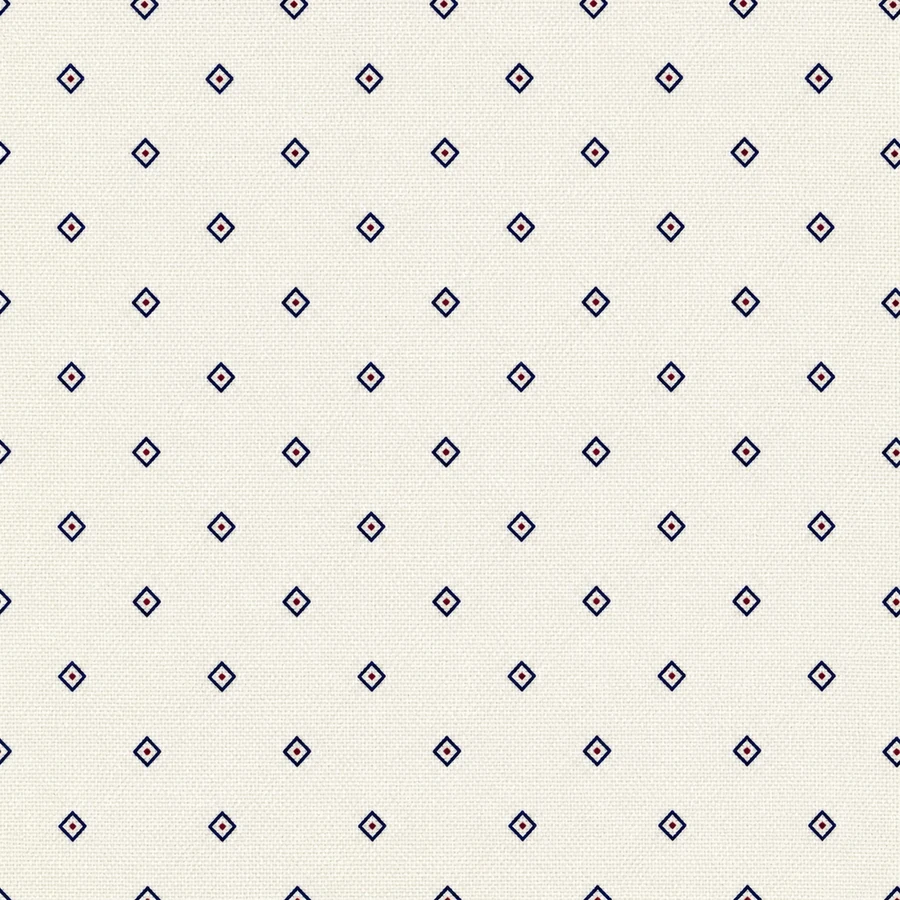
Geometric microprint
Very small repeated geometric motifs. The term describes pattern scale, not weave or fibre content.
Solid means one overall colour. Herringbone primarily describes a reversing twill structure, a different property from a design printed onto cloth.
Eton: printed and patterned shirts · Charles Tyrwhitt: check shirt patterns · Dress and Textile Specialists: textile identification
Ralph Lauren: Buffalo Check shirt · Brooks Brothers: Tattersall shirts · Eton: Houndstooth King Twill shirt · Ralph Lauren: tartan-inspired plaid
Materials, stretch and care
Fibre content | Practical meaning |
|---|---|
Cotton | Versatile; yarn, weave, weight and finishing change the feel. A 100% cotton label alone does not prove premium quality. |
Linen | A distinctive natural texture with expected creasing. Choose it when a relaxed summer appearance suits your outfit. |
Cotton / linen | Behaviour depends on proportions and finishing. A blend is not automatically wrinkle-free. |
Lyocell and blends | Often chosen for a softer drape. Check composition and the specific garment’s care instructions. |
Silk and blends | Can add sheen and fluidity; formality depends on the entire design. |
Polyester / elastane in blends | Read the percentages. Elastane content and mechanical stretch are different; appearance cannot establish fibre content. |
Easy-care, wrinkle-resistant and non-iron describe care behaviour or finishing, not a separate fibre. They do not promise that a used shirt will never crease. Follow its care label, remove removable collar stays before ironing, and avoid one wash routine for every fabric.
Cuffs: fastenings and shapes

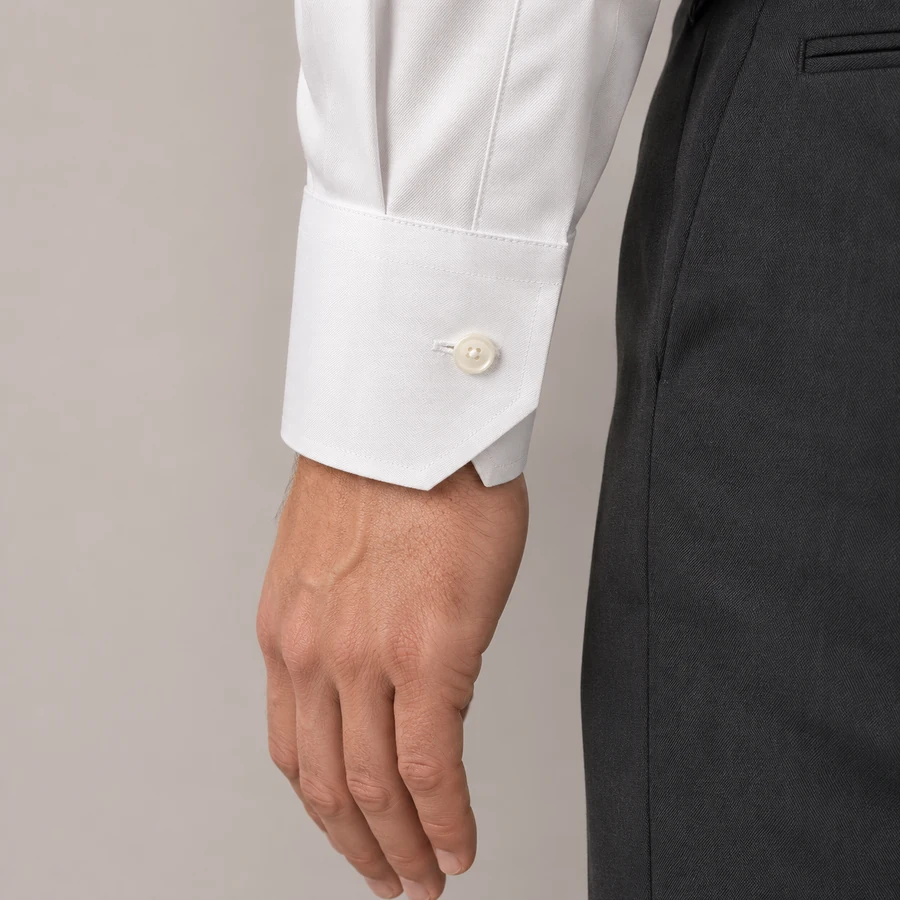
Mitred button cuff
A single cuff around the wrist with a cut-off angled corner and button fastening. Corner shape does not establish button count.

Rounded button cuff
A rounded front corner with overlapping button fastening. A daily or business option without a folded-back double layer.

Square French cuff
The longer cuff folds back and fastens with a cufflink. This example has square corners.
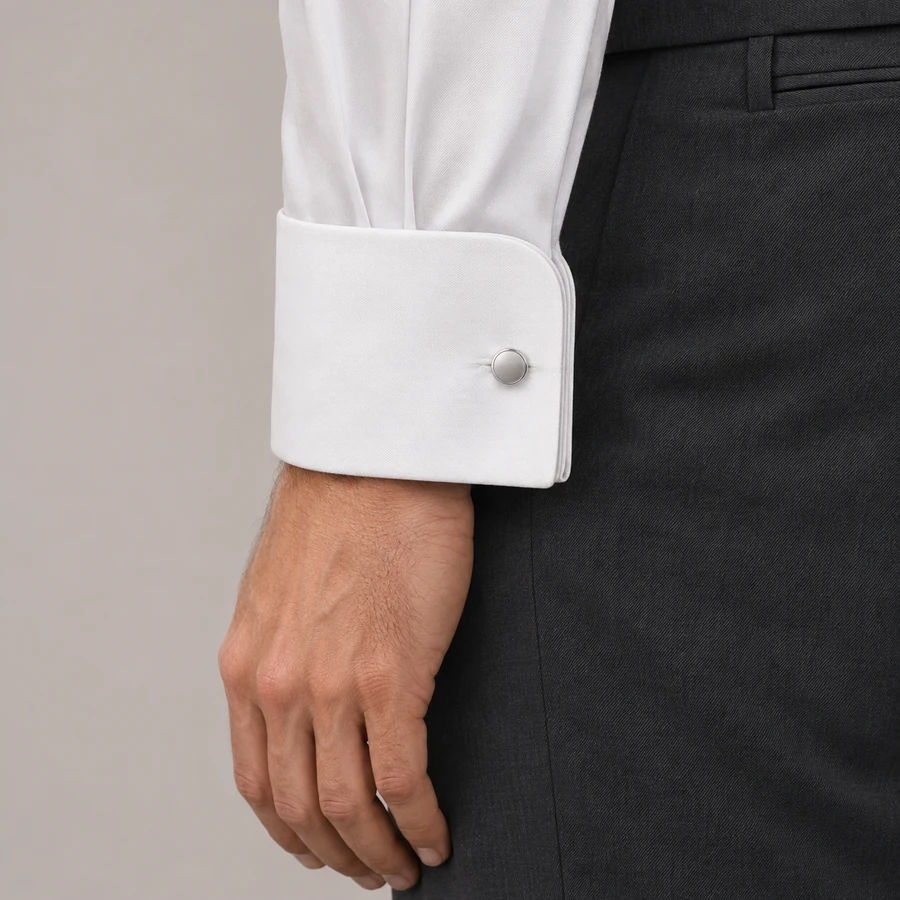
Rounded French cuff
The same folded French construction with rounded outer corners. A cufflink remains part of the fastening.
Other detail | What it means |
|---|---|
One or two buttons | Button number and position vary: two buttons can fasten a deeper cuff or offer wrist adjustment. Inspect the actual construction. |
Convertible | A single cuff can provide a button and an extra opening for a cufflink. It is not the same construction as a folded French cuff. |
Edge shape, fastening and layer count are separate properties. For used shirts, inspect the inner surface and worn edges, and confirm whether cufflinks are included.
Which shirt for which occasion?
These are practical styling starting points, not universal rules for every event. If a dress code is unclear, ask the organiser.
Situation | Starting point |
|---|---|
Business with a suit | Poplin or twill, a comfortable collar and enough length to tuck in; a tie if your workplace requires one. |
Business casual | Oxford or a subtle texture; a button-down or open spread collar. |
Wedding / celebration | Follow the invitation: a daytime suit and black tie call for different choices. |
Black tie | Choose an evening shirt and bow tie appropriate to a dinner suit; a wing collar is not mandatory for every outfit. |
Warm weather | Light linen, seersucker or lighter cotton; consider transparency and dress code. |
Weekend / layering | Flannel, denim or an overshirt; allow space for the layer underneath. |
How to assess shirt quality
Assess shirts from every brand using the same practical checks: cloth, construction, workmanship, fit and condition. The maker examples below explain particular features; they are not a brand ranking.
Cloth and yarn
Assess weave, weight, drape and feel. Two-ply / twofold means a yarn twisted from two strands, not two fabric layers. A 100% cotton label or a large number alone does not describe overall quality.
Collar construction
Look for a collar that sits cleanly without bubbling or distortion. Fused and non-fused constructions can both be intentional choices; Turnbull & Asser’s non-fused collar is one example.
Cuffs and buttons
Inspect cuff edges, button attachment and buttonhole finishing. Mother-of-pearl can be a finishing detail, as on some Stenströms models, but does not prove authenticity by itself.
Seams and pattern alignment
Look for tidy seams without broken threads or pulling. Matched checks around pockets can show careful cutting, while design choices differ.
Fit and proportions
The collar should feel comfortable and shoulders and sleeves should fit. A higher-priced label cannot replace the right size. Compare maker fit names in the table above.
Finishing and care
Verify wrinkle-resistant or non-iron features on the specific model. Eton Signature Twill is one maker-described wrinkle-resistant example, not a specification for every Eton shirt.
Line and model
Different lines within a company can differ. Assess Polo Ralph Lauren and Purple Label, or BOSS and HUGO, by their actual labels and model specifications. They do not share one quality standard.
Actual condition
Collar and cuff wear, stains and alterations affect the value of a used shirt. A ZEGNA or another luxury label does not remove those considerations.
Eton: fabric types · Stenströms: shirt details · Turnbull & Asser: understanding our shirts · Ralph Lauren: dress shirts and lines · Ralph Lauren: Purple Label shirts · HUGO BOSS: BOSS and HUGO shirts · ZEGNA: shirts
How to choose a second-hand shirt
- Compare measurements. Chest and waist widths, shoulders, sleeves and body length must be measured the same way as your reference shirt. Neck size does not describe body room.
- Inspect the collar. Look for photographs of the inside of the opened collar and its tips. Check wear, discolouration and distortion.
- Inspect the cuffs. Edges and inner surfaces can be more worn than the shirt front. Check buttons and cufflink openings.
- Read the composition. Do not infer fibre content from a fabric photograph alone. Check the care label and whether stretch is specified.
- Check alterations. Shortened sleeves, moved buttons or taken-in side seams change the actual fit. A brand’s size chart cannot account for these.
- Choose for your routine. If you do not wear cufflinks or rarely iron, a practical fastening and suitable care routine may matter more than a prestigious name.
See the EKVINTA measurements and condition guide for measurement methods and condition explanations. Then browse men’s shirts and compare the individual item details.
Turnbull & Asser: shirt sizing · Turnbull & Asser: shirt care
Find your next piece
Put the guide into practice when choosing an item. Compare the actual product photographs, measurements, composition and condition.
Questions? Answers.
What is the difference between button-up and button-down?
Button-up refers to a buttoned front. Button-down specifically means the collar tips fasten to the shirt with small buttons. It is not a fit name.
Is Oxford a collar type?
No. Oxford describes a fabric weave. An Oxford shirt can have a button-down or another collar; choose the fabric and collar separately.
Should I choose poplin or twill?
Poplin looks smoother; twill has diagonal lines. Both can work for business wear. If weight or transparency matters, assess the specific fabric rather than relying on the name.
Is slim fit the same across brands?
No. It is a maker’s fit name, not a shared measurement standard. Compare chest, waist, shoulders and sleeve measurements.
What distinguishes Eton shirts?
The maker offers different fits and fabrics, including Signature Twill. Value to an individual buyer depends on the actual shirt’s size, composition, construction and condition; the logo alone cannot establish it.
Are all Eton shirts non-iron?
Do not extend one fabric’s finish to the entire brand. Check the specific model and care label; wrinkle-resistant does not mean no creases under every condition.
When do I need French cuffs?
When you want cufflinks or the dress code calls for them. A French cuff folds back and normally closes with a cufflink. Button cuffs are often simpler for everyday use.
Are cotton shirts always better than blends?
No. Fibre content is only one feature. Weight, weave, drape, care and your needs also matter. Check blend percentages on the label.
How can I judge shirt fit online?
Measure a shirt that fits you well and compare the same dimensions using the same method. Ask for missing measurements; neck size alone cannot guarantee a suitable body fit.
Do the guide images show actual products for sale?
No. They are AI illustrations for comparing shapes and details. Buying decisions should use the actual item photographs, description, composition, condition and measurements.
Are shirt sizes 16 and 41 the same?
16 inches equals 40.64 cm; makers often label that neck category 41. Check the specific brand chart and actual collar because pairings and ease can vary.
What does 16 / 34–35 mean on a shirt?
In common US labelling, 16 is the neck size in inches and 34–35 refers to sleeve length in inches. Check the maker’s measuring method, which may start at the centre back of the neck.
What is the difference between spread and cutaway collars?
Both describe open collar shapes. Cutaway tips generally sweep further outward, but the boundary depends on the maker. Compare the actual opening and tip direction.
What is the difference between check and plaid?
Check is an umbrella term for grid-based patterns. Plaid often uses crossing bands of several widths and colours. Gingham and windowpane are recognisable specific check patterns.
Are all Ralph Lauren shirts Purple Label?
No. Polo Ralph Lauren and Purple Label are different lines. Use the individual garment’s labels and description to identify its line, composition and fit.
Sources and illustration notes
Checked 16 November 2026. Sources support terms and particular examples, not the specification of every historic model. An independent EKVINTA guide.
- Eton: collar types
- Eton: collars and cuffs
- Eton: shop by fit
- Eton: fabric types
- Eton: casual shirts
- Charles Tyrwhitt: shirt collars
- Charles Tyrwhitt: collar shapes
- Charles Tyrwhitt: shirt weaves
- Charles Tyrwhitt: weave types
- Stenströms: shirt fittings
- Stenströms: shirt details
- Stenströms: twofold cotton example
- Turnbull & Asser: understanding our shirts
- Turnbull & Asser: shirt sizing
- Turnbull & Asser: shirt care
- Eton: tab collar
- Charles Tyrwhitt: neck and sleeve sizing
- Eton: printed and patterned shirts
- Charles Tyrwhitt: check shirt patterns
- Dress and Textile Specialists: textile identification
- ZEGNA: shirts
- Oscar of Sweden: shirts
- Erla of Sweden: shirts
- Suitsupply: shirts
- Ralph Lauren: dress shirts and lines
- Ralph Lauren: Purple Label shirts
- HUGO BOSS: BOSS and HUGO shirts
- GANT: Oxford shirts
- Paul & Shark: shirts
- Lacoste: shirts
- The North Face: shirts
- NN.07: shirts
- Oscar of Sweden: Slim and Regular fits
- Erla of Sweden: fit examples
- Suitsupply: Tailored and Relaxed examples
- Ralph Lauren: Custom Fit definition
- HUGO BOSS: shirt fits
- Paul & Shark: Regular fit cotton shirt
- ZEGNA: Slim and Classic fits
- The North Face: Mountain Falls Relaxed fit
- NN.07: Regular and Relaxed examples
- Ted Baker: Slim and Regular shirt examples
- Ralph Lauren: Buffalo Check shirt
- Brooks Brothers: Tattersall shirts
- Eton: Houndstooth King Twill shirt
- Ralph Lauren: tartan-inspired plaid
- Eton: Seersucker Resort shirt
- Charles Tyrwhitt: herringbone weave
- Eton: Corduroy fabric
- Eton: Denim fabric
- ZEGNA: Regular fit example