VINTAGE CLOTHING GUIDE

Vintage Clothing Measurements & Condition Guide

Learn how EKVINTA measures vintage and second-hand clothing and describes garment condition, so you can understand each piece before you buy.
How are vintage clothes measured?

We measure each garment by hand in centimetres while it lies flat. The figures in a product listing describe the garment, so compare them with a similar piece you own that fits well.

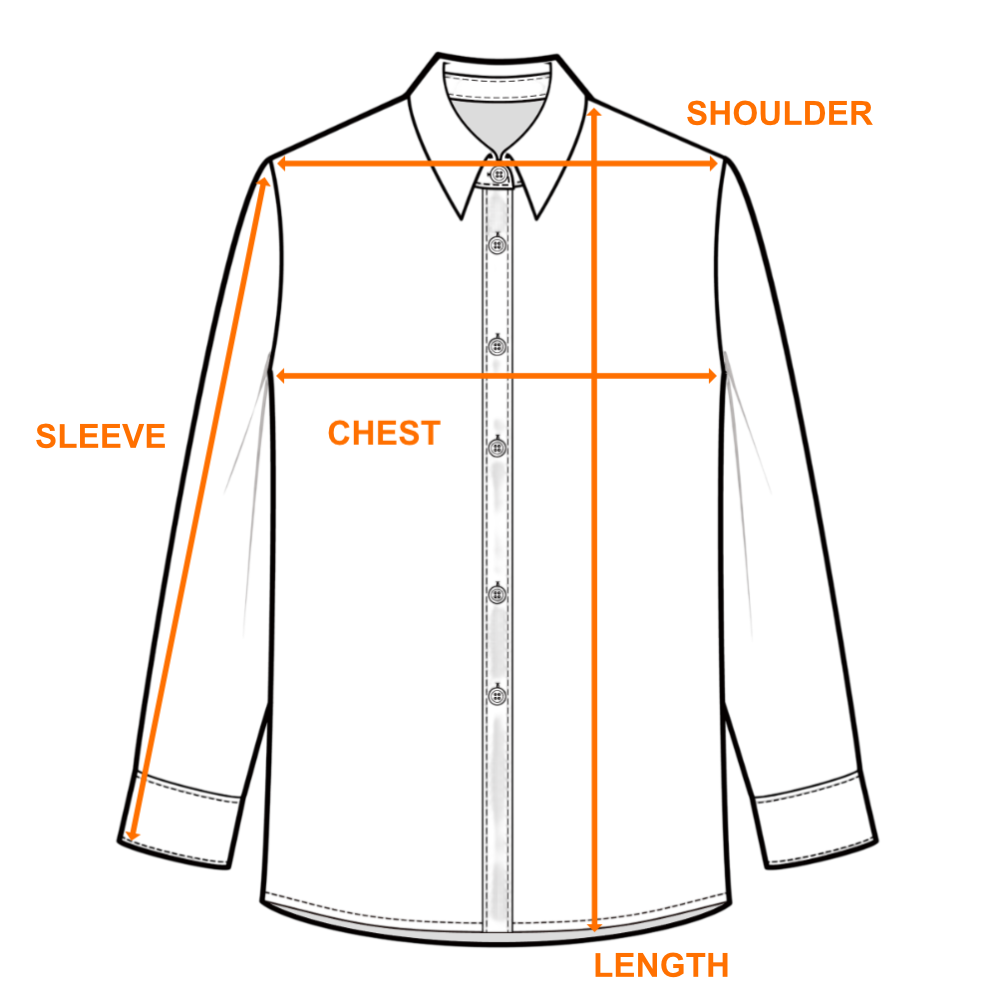
Tops and jackets: shoulder width is measured from seam to seam; chest is the straight width under the arms; sleeve length runs from the shoulder seam to the cuff; and garment length runs from shoulder to hem.

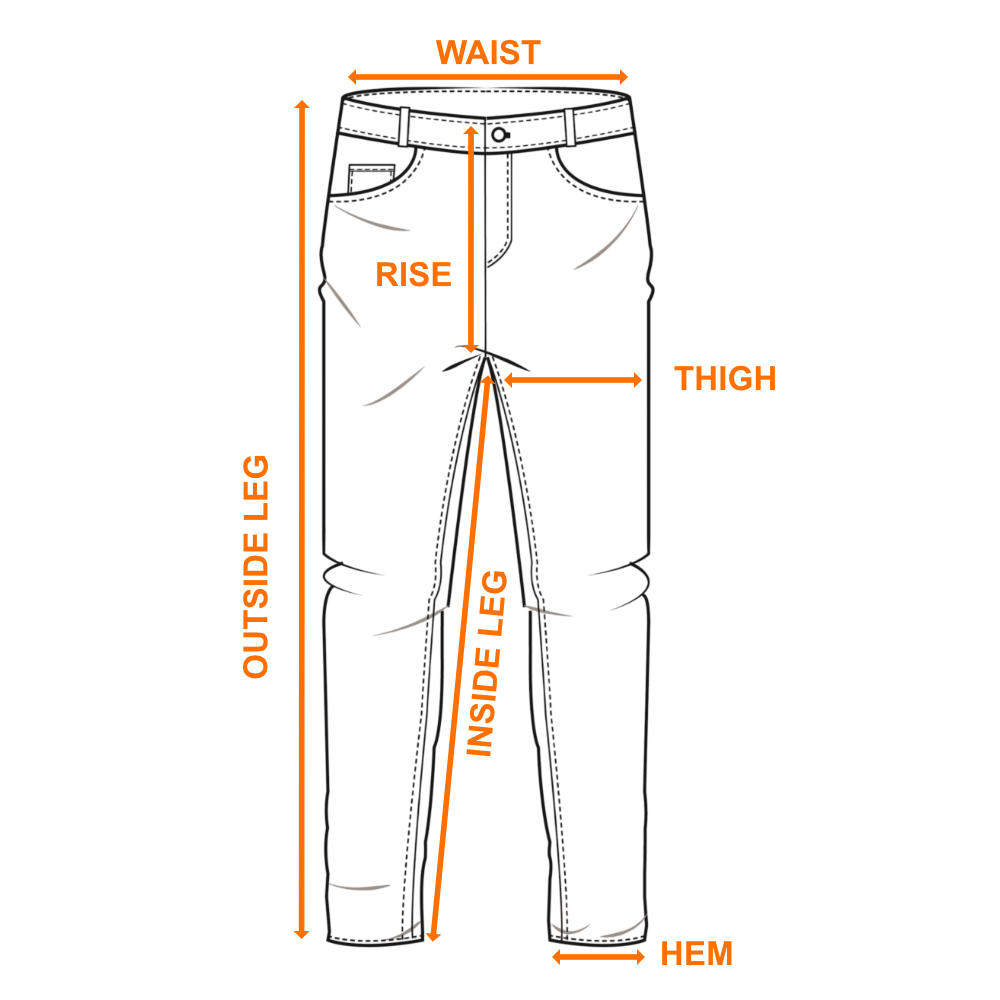
Jeans and trousers: waist width is measured straight across the waistband; rise runs from waistband to crotch; thigh width is measured across the upper leg; inside leg runs from crotch to hem; and outside length runs from waistband to hem.

These are flat garment measurements, not body measurements. Allow a ±1 cm difference. Vintage size labels can vary by brand and era.

Upper garment measurement guide showing shoulder, chest, sleeve and length
Lower garment measurement guide showing waist, rise, thigh, leg and hem

What do our vintage clothing condition grades mean?

Our items are genuine vintage or carefully selected second-hand clothing. Some may show signs of past wear. We describe and photograph their condition so you can choose with confidence.

s-l1600-Photoroom

How do I choose the right vintage size?

Choose a garment you own that fits the way you like. Lay it flat and compare its chest, waist and length with the measurements on the product page.

Use the measurements as your guide, since vintage size labels vary by brand and decade. The cut, fabric and trouser rise can change the fit even when two items have the same label size.